Filosofia, Philosophy, Psychology

Harmony’s Alchemy: Invoking the Soul’s Revival through the Dominion of Transcendent Philosophy

Navigating the Abyss of Degeneration, A Quest for Enlightenment in the Echoes of Wisdom.


This composition serves as a contemplative prelude to an upcoming article that delves into the intricate challenges confronting our society today. It invites readers on a journey of reflection and renewal, revealing how transcendent philosophy has the power to illuminate the path to a soulful renaissance in the face of modern disillusionment.

In the dance of life, youth immerses itself in the euphoria of the present moment, basking in the warmth of fleeting pleasures, often unaware of the future’s subtle yet inevitable embrace. Time, as ever, moves forward, but the awareness of its passage is lost in the allure of transient indulgences. The vigor of youth, so boundless and unshackled, becomes a double-edged sword—a gift and a curse in the face of unconsidered actions.

A deeper, disconcerting commitment then unfolds, as young generations unknowingly surrender themselves to the slow squandering of time and health. They stand at the precipice of their own potential, unaware of the consequences of a life lived without reflection. Society’s intricate web tightens around them, woven by forces that blur the clarity of their vision. The tidal waves of consumer culture, the constant churn of social media, and the seductive allure of idolized mirages shape their minds and priorities. In this world, self-awareness is often replaced by an endless pursuit of external validation. A culture of immediacy fosters a lack of introspection, leaving many adrift in a sea of superficial distractions, where the deeper questions of life and purpose remain unanswered.

Yet, within this vast expanse of external noise, philosophy emerges as a beacon—an ancient yet timeless guiding light. At its core, philosophy beckons us to embark on the journey of self-awareness and self-transformation. It implores us to reassess the narratives we have inherited and to forge new ones that emphasize wisdom over wealth, understanding over consumption, and purpose over profit. In this context, philosophy becomes more than an abstract discipline; it becomes the very tool by which we can dismantle the illusions that bind us.

One of the great philosophers of the past, Socrates, reminded us that “The unexamined life is not worth living.” This ancient wisdom reverberates through the ages, urging us to reclaim introspection in a world that often resists it. In fact, studies have shown that those who engage in regular self-reflection report higher levels of well-being and personal fulfillment. Introspection is not a luxury, but a necessity in navigating a world that thrives on distraction. It is through reflection that we can break free from the shallow current of modern existence and reconnect with our true selves.

The transformative power of philosophy extends beyond individual growth—it offers a blueprint for societal renewal. Education, in particular, must undergo a radical rethinking. If we are to avoid further degeneration of our collective potential, we must reconstruct the very essence of education. The current educational paradigm, with its focus on standardized tests and rote memorization, often stifles creativity, critical thinking, and moral development. A philosophical approach to education would encourage inquiry, cultivate empathy, and inspire a sense of responsibility toward the world and each other.

Consider the example of the great minds of history—Plato, Aristotle, Rumi, Confucius—whose teachings transcended their time, offering wisdom that continues to guide humanity. Their philosophical legacies remind us that true education is not about the acquisition of facts, but the cultivation of wisdom. Philosophy teaches us to question, to challenge assumptions, and to approach life with a deep sense of wonder and humility. In a world increasingly dominated by technological advancement, it is the pursuit of wisdom—rooted in the ancient teachings of philosophy—that offers us the tools to navigate the moral and ethical dilemmas of the modern age.

As we continue to grapple with the complexities of the digital age, it is imperative that we reclaim the philosophical framework that has shaped the intellectual and moral development of civilizations. In a world dominated by algorithms and artificial intelligence, we must remember that it is our capacity for empathy, critical thinking, and ethical reasoning that truly defines us as human beings.

In the face of a culture that prioritizes instant gratification, the timeless wisdom of philosophy calls us to pause, reflect, and reevaluate our deepest values. Through this process of introspection and inquiry, we can embark on a journey of personal and societal renaissance—a renewal of our commitment to truth, wisdom, and meaningful connection.

In this light, the challenge is clear: we must navigate the abyss of degeneration with courage and clarity, drawing from the wellspring of ancient wisdom to guide us toward a more enlightened future. The quest for enlightenment is not a solitary endeavor, but a collective one. By embracing the power of philosophy, we can reconstruct the very fabric of our education, our media, and our relationships. This quest is a call to action—an invitation to rediscover the deep, timeless truths that lie at the heart of human existence.

Standard
Art, Filosofia, Philosophy, Psicologia, Psychology

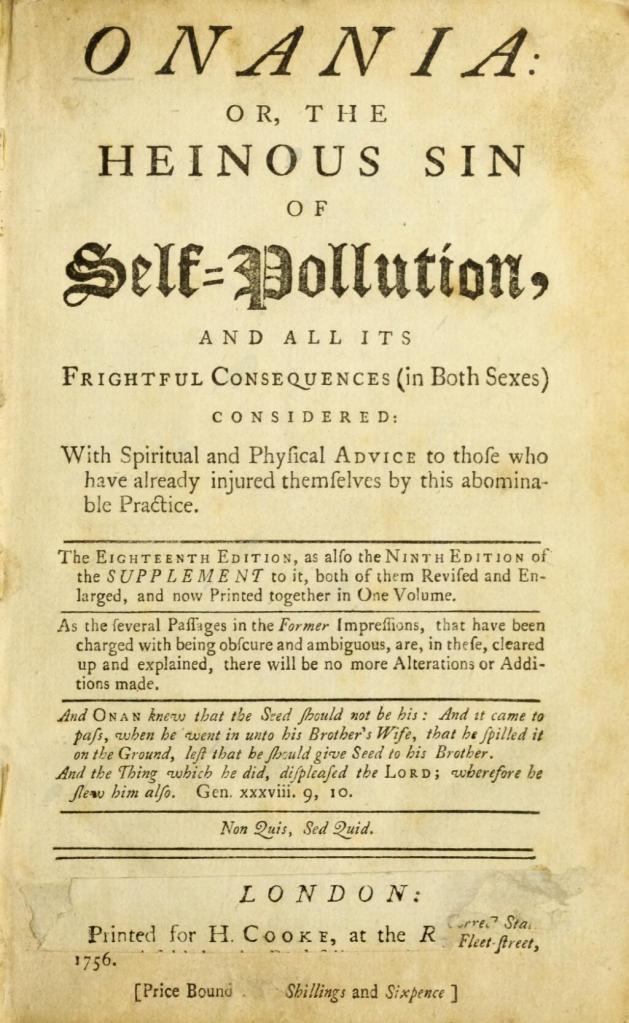
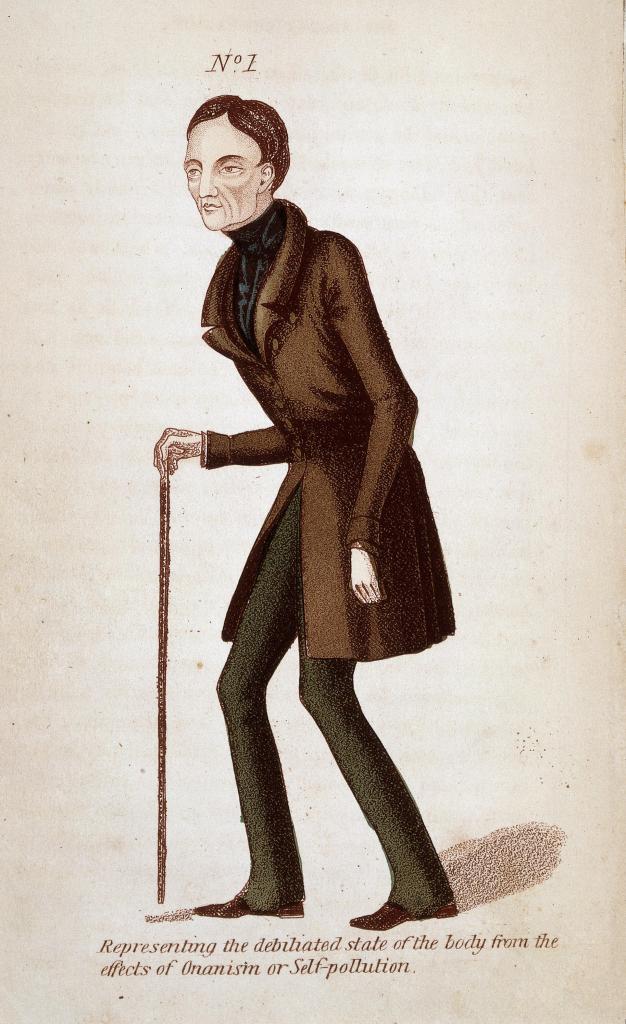
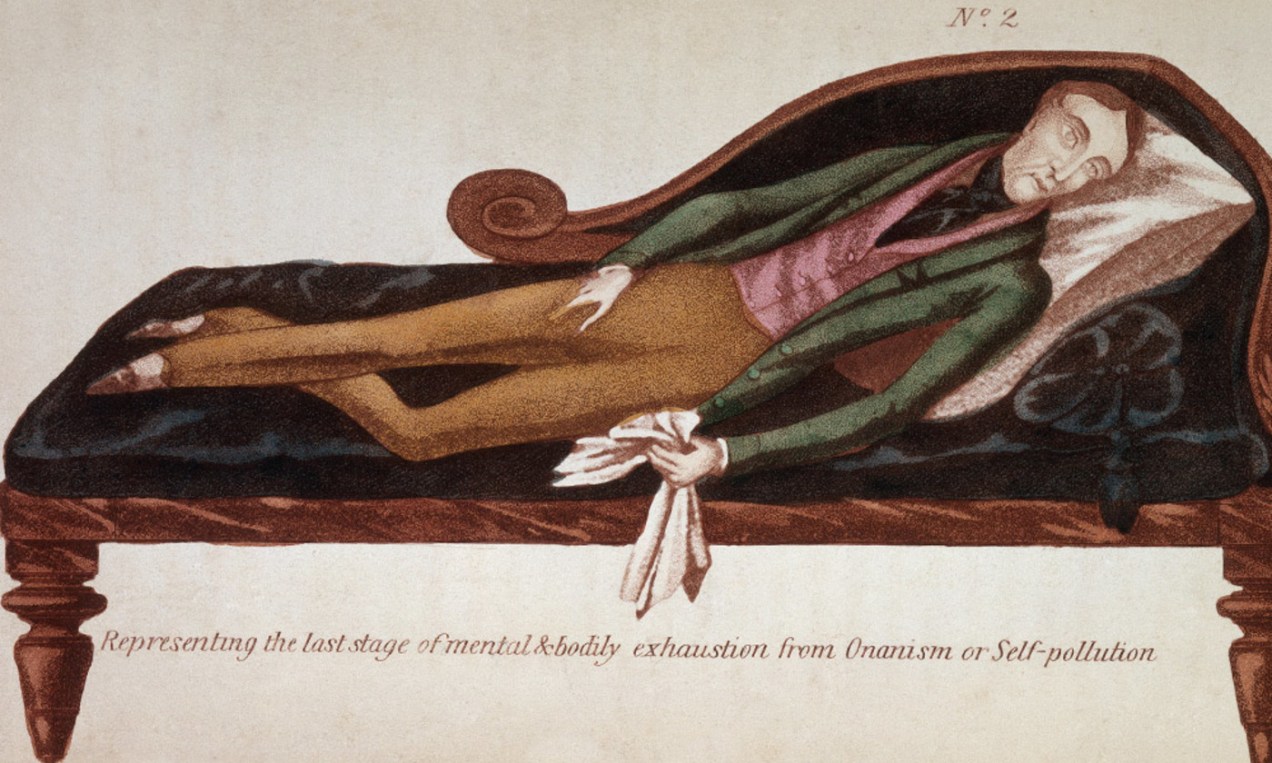
Mas-turbation VS Coit-uS

Even in a century when there aren’t enough restrictions, where the adored super-io appears to be turning into a mere puppet in the hands-on ignorance, there are things that are kept secret.

The idea of masturbation as a substitute for sex, and specifically the function of the (sex) toy as a substitute for human presence, is one of the subjects I wish to cover in this essay.

Most people define sexuality as desire, and this is simply understood as coitus.
In reality, sexuality merely refers to a concept.
When we talk about “sex,” we relate to a story that spans generations and involves scientists and medical professionals standardizing humankind’s perception of pleasure.

To put it simply, desire is you.

Generalizing a little, people obtain pleasure by projecting desire through and through bodies, but they also experience desire through mutual manipulation, stimulation, and, in rare instances, euphoric multi-senses connections with other people.

Even the most intense sensory experience is turned to an object in the capitalistic interpretation of desire.
This circumstance played a role in muddying the idea of masturbation as an alternative to coitus.

Coming back to our days, it is interesting how the sex toy is taking over the mere body presence of the others. The strongest pleasure experienced during toy masturbation (because of the high technology behind the sex item) is obscuring the need for the presence.
It is well known that people used a variety of mechanisms, circumstances, and even toys to enjoy their pleasure in earlier centuries. However, eroticism, also known as “masturbation,” was not merely a result of pleasure or a sublimation of the wild instinct for copulation; rather, it was an experience without boundaries or associated psychosis.

What do we lack in this case?

No miss exists. This is the reality of today, created by non-presence connections and high-tech sensory experiences that are constantly getting closer to the real world.
Maybe there is only one thing we are sorely missing: the consciousness or “self.”
It makes no difference if you use a body-attached vagina, a penis, or a plastic toy.
Even those could simply be a “toy.”
The understanding of who we are as beings is what is missing.
We can perceive the selves of others in complete harmony if the self is completely aware of itself in space and time.

Self-awareness and the multi-senses experience are closely related.

Consider the following scenario: a woman/man purchases a toy capable of not just stimulating the vagina-clitoris-penis but also “simulating” in ways never before experienced (humans to humans).
The senses, warm feelings, natural smoothness, scent, taste, and “mutual agreements” are all lacking.
Yes, when two or more selves come together, they can form their own experience.

Technology emerges in the absence of conscience.
Masturbation is the sublimation of coitus in the absence of self-consciousness not multi-sensory-self-referential-experience.

It is clear that self-gratification by an external “being that is not self” (ontological difference?) is not reducible to a simple pleasure, but rather to a variety of dynamics embedded in our cultural order.
This so-called object is the new expression of perfection.
As a result, the human body is turned into a commodity, commodifying itself for the sake of the moment.
At that very time, the Self is fulfilled by the deep breath, the heart rate, and the veracious flux of dopamine.

Neither the object nor the act (known as masturbation) can replace the coitus.
Perhaps what “we” experienced was genuine love that we couldn’t find with others.

There is no connection between self-pleasure and shared-feral-titillating coitus.
The two experiences are two distinct realms that should not be combined or undervalued in comparison to the sacred-that-isn’t coitus.

Finally, the plastic toy cannot replace human flesh, just as self-hypnotic-titillation cannot substitute human genital exercise.
The joyful experience is a one-of-a-kind way to become aware of oneself and the world around us.

For further elucubrations:


Standard
Art, Filosofia, Philosophy

Ex-pulsion, or the lightness of the soul

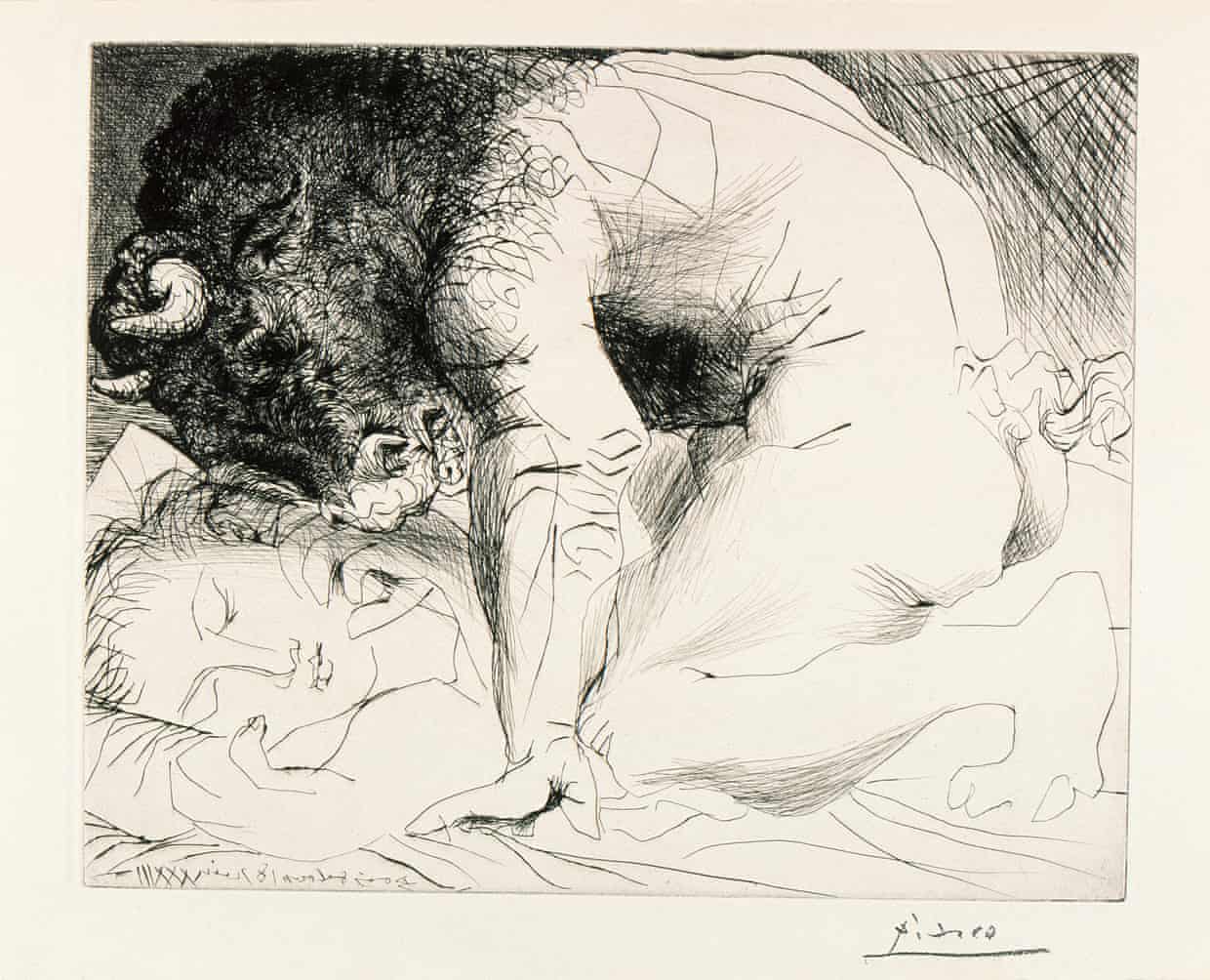
Refraining from doing something is a great act of courage; the tendency towards doing something, means being aware of an instinct, almost out of control, that lead us to act in a certain way; The most famous is the sexual one, a voluptuous drive that reminds us our natural-nature. Despite our effort to hide our origin, mostly with old and anachronistic gimmicks, our natural nature is that and still celebrated with shameless pleasure.

Coming back to our act of denying: is that difficult to refrain ourselves to act impulsively? The answer is yes. Beyond the great “courage” it needs a self-restain over the average, a well-ignored self-consciousness.

The fact that we lack formal education on this subject and that the same educators lack knowledge leaves us with only the outdated idea that attempts to connect the sexual instinct to “love” (kiss-coitus-kids-family), in which the outcome (or product? – the child?) is frequently an unintentional thing or being.

What does it mean to avoid a pulsion?
Anguish (?) Tedium (?) Painful somatic implications, partially generated by psychic dynamics. The first step in detoxification is to refrain from a daily action caused by a pulsion. This (long) procedure is comparable to the detoxification from psychotropic drugs in that it takes time and is the first destructive act. Fortunately, the subsequent steps are less traumatic and the initial one is almost exclusive.

Being (us) alive is crucial because, in a drive conflict, the balance (human control of the instinct – the trigger for such activities) is essential. Breaking away from a habit (vice) related to an instinct is crucial.

What transpires when there is a pulsational balance or imbalance? (Let’s replace impulsiveness with lust because the most basic instincts are associated with voluptuousness.)

Balance:
The being reveals itself fully, awake, cunning, and infinitely present in its presence. The harmony that results from the balance encompasses the entire body, including the soul and psyche (slave of both dimensions, never a master).
And it is precisely through this dialectic dynamic of opposites that a pulsion transforms into a life-mine, providing the body’s engine, its neuronal activities, and spiritual vitality.

Imbalance:
When the balance stops, the soul falls in the whole black: the body becomes the object of involuntary spasms, unconscious as a carrier agent of noetic activities of ontological destruction. The human loses control of its frail existence in this last-ditch effort, becoming the prey of instinct and a mere object in the hands of the unconscious.
Psyche: of which neuronal energy becomes atomic, uncontrolled, explosive. Mind: now disconnected from the entire human and absorbed in its unrestrained games, where the feeling of the objects around it (and with it, the time/space idea itself) no longer has any meaning


It may also go by the names panic, anxiety, or agony. It lasts a brief instant or years. Finally, the long-awaited satisfaction is attained. What we have always desired has now evolved into our most despised belief, which has caused displeasure and misery.

Standard
Art, Filosofia, Philosophy, Psychology

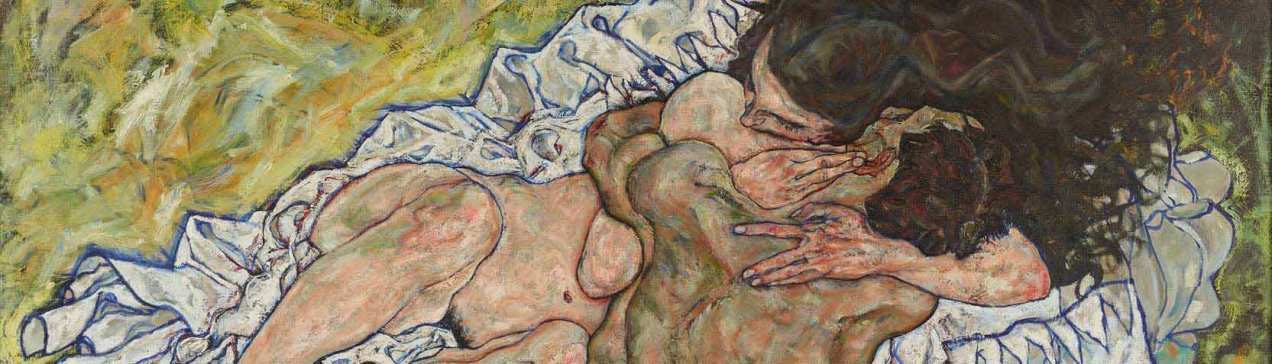
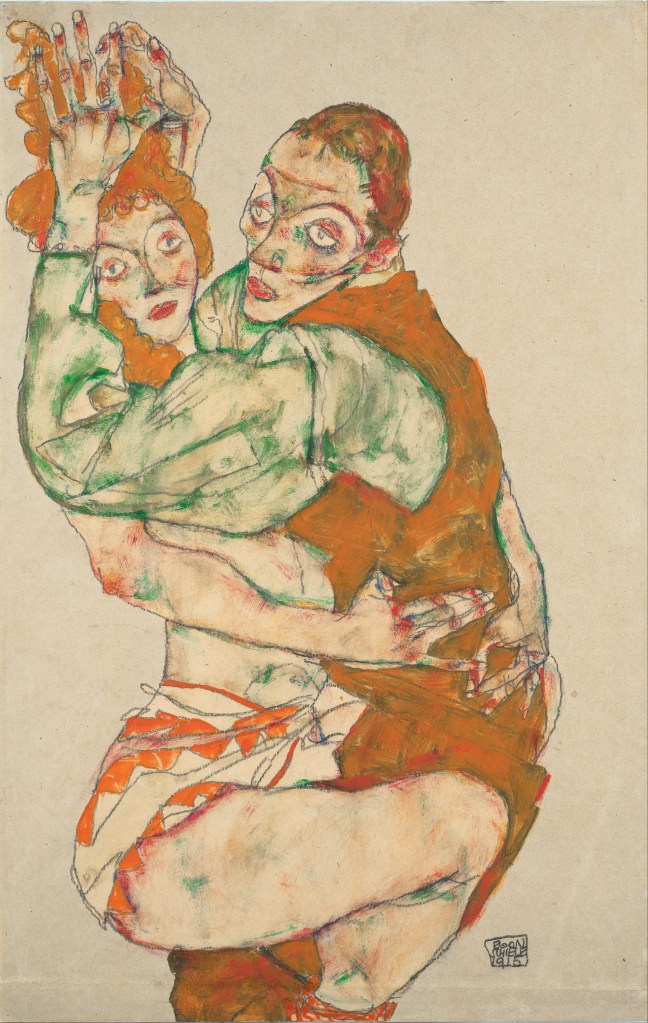
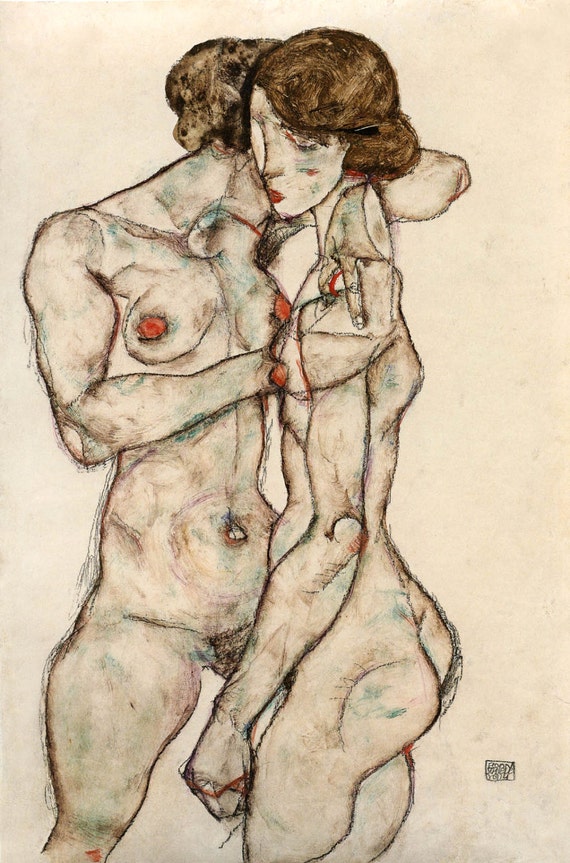
Love beyond the mere concept of affection. Brief rumination on the concept of desire – Feat. E. Schiele

Premise

Desire is the key concept of this article, so, no apologies for the repetition!

Meditation I – Sturm und Drang

I

The fact that I am here, right now, and the object that is my body, are two things that mysteriously stand out in every representation of the (my/ours) reality.
I’ve always thought that my presence in the cosmos is just a fact that I’m aware of., and that my relation to others—or, better, to objects—is wholly subjective.

During those ruminations, I used to connect the dots between my existence and the pasts of other beings in outer space who weren’t me, perceiving the present that belonged to me and sensing the present that belonged to my conscience. In those moments, I came to acknowledge the fact that I was a living being—a melancholy object—and that I was nevertheless alive.
Two distinct experiences between things and beings. Every encounter with those beings is solely motivated by misery and despair. Being among objects was a constant source of conflict, a struggle for reproduction, whereas being among beings was a symbol of simple mortality, here and now, the icy touch of the pure non-being.

Desire – the lonely sing of the desperation

I

(for not using the pronoun “us”) desire due to an innate need for reproduction. I had always assumed that desiring was merely a trait unique to humans, but after the experiences that followed, I understood that I was just a mammal.
The idea of love serves to tame the wild, unbridled yearning.
At the same time, I’ve discovered that love is an intriguing experience since it reveals both our human nature and our remote connection to wild nature.


Humans are capable of abstract thought and concept creation, so we invented the idea of love to stifle our irrational need. The sincere desire to help and assist one another, which is typical of many species on this planet, is also represented by love. As a result, we share this wonderful idea with all living things.
By referring specifically to this succinct justification, I acknowledge that my origin and the struggle are essentially mine as a human being.

The paranoid impulse

W

e have seen how desire and love are not completely compatible. We desire because of instinct, not because of love. Any attractions to the other individuals are what I consider as desire.
Our lives are largely driven by our desires. Every interaction we have is subconsciously influenced by the primal filthy desire. This is merely a thought about the essence of our being, not a pessimistic view of life or the world. Humans have the capacity to experience suffering without becoming affected by it, yet we are aware that we are caught in the instinctive black circle even beneath the heavy conscience.


I won’t write much more about it; instead, I’ll just allow you some time and space to consider your current circumstances in relation to those of your fellow humans and other living things.

The paramount conflict

In every connection/relationship we can see a latent conflict. I don’t mean that our lives are based on conflict because we live among people, but since we are part of nature, the answer is obvious, implicit.
How can we get out of this situation? Of course, for many people, that is not an issue; their lives are filled with love and happiness; but what about your inner being? How can we become actual humans in the face of our wild impulses and habits? Nature, instinct, and untamed habits are not inherently bad; rather, they are obstacles to the happiness of certain individuals who are unable to overcome that fundamental and embedded dimension.

By mastering our instincts, we can become successful and fulfilled owners of ourselves.
This is/was merely a meditative exercise. The solution is to go out and figure it out for yourself.

Postface

I was still blind, but twinkling stars did dance Throughout my being’s limitless expanse, Nothing had yet drawn close, only at distant stages I found myself, a mere suggestion sensed in past and future ages.
Novalis

Standard
Art, Filosofia, Philosophy, poetry, prose, Psicologia, Psychology

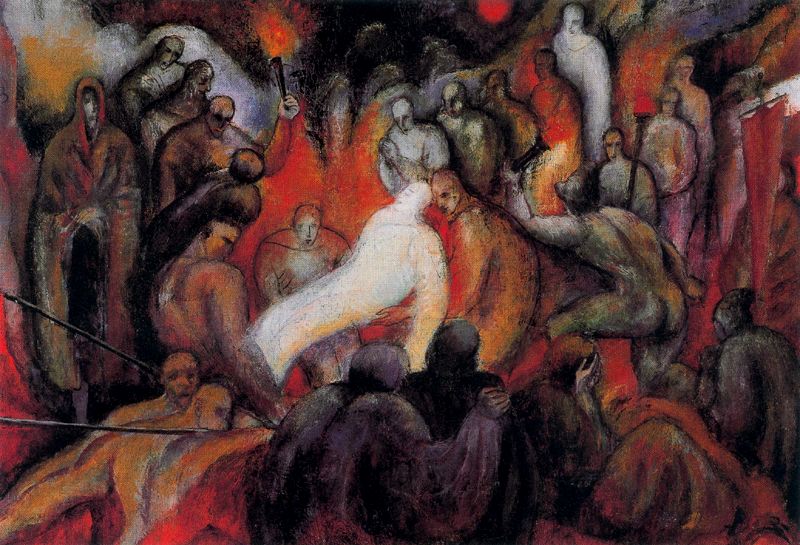
II. Panicnoia – Feat. A. Bloch

The sun heats my skin, yet my illuminated head spins quickly.
I’d want to see the moon against the gloomy backdrop of my dreams. There were no starts, only the moon, high in the sky, alone and lonely.

I try to walk, but my feet are stuck in place. I am not moving. is there a movement within me?
Blood, heartbeats and thoughts. My tongue is tingling, my mouth is dry and my mind is racing.

I can feel parts of my body pounding like volcanoes covered up and ready to explode

D E S O L A T I O N 

Nobody inside, my soul is speaking to me. What exactly am I? Yes, I am gazing at myself right now. I am touching these hands and arms, but I am not feeling myself.
Great boulders, I raise my arms, yet my hands are empty

D E L I R I U M

Every step forward, one idea returns to the beginning.
I want to be little, heedless of myself and the world around me.
I see myself in everything, and everyone is staring at me as I stumble aimlessly

Where am I?

All those faces, all those eyes staring at me… I am an insect paralyzed on a glue-covered floor.

That’s funny, it is the end.

P A N I C N O I A

Standard