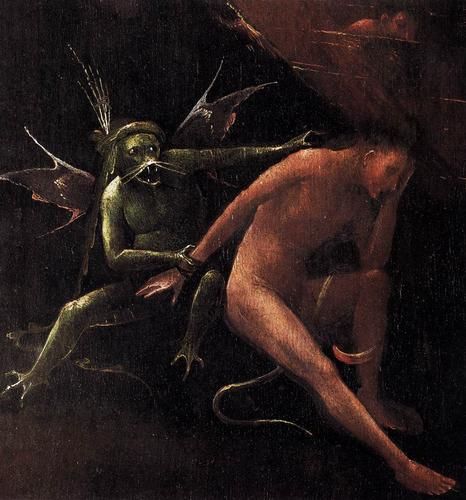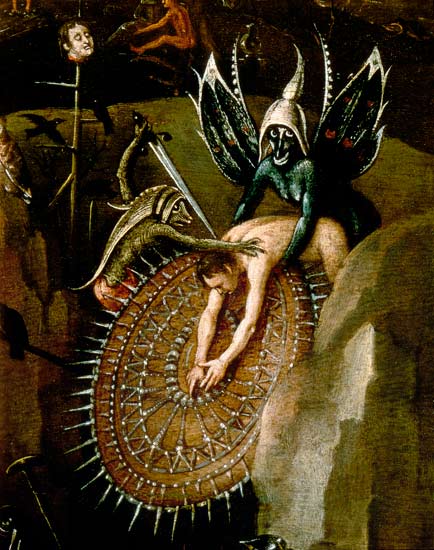
Never confuse the present with presence. We believed we were holding it in our grasp when we suddenly lost it. It’s slimy and cryptic. It is in our tendency to assume that living in the present is a certain thing, but it isn’t: when you say the word “now,” it is already gone, gone in the same way that the word “gone” is gone. Perhaps life follows the gone-departure, leaving the moment to eternity. Our present is mainly composed of our memories, which are stored in our soul, organized by the spirits, and summoned by God whenever they’re needed. Merely thinking about memories allows us to relive the past, which is no longer present.
After centuries of defeats and failures, we still believe we are unbeatable. The “we” that refused its nature, who denied the thought of being born in a filthy cradle and, eventually, filled of regrets, the ES which lost its track wanders in the never-ending nothing.
It has the ability to raise during its bleak existence. This power is not granted to everyone, but only to those who can grasp it. Everyone could catch it, although not everyone is capable of doing so. God bestowed free will upon us. Nothing exists apart from the mass; to it are due all the powers of which God is the ultimate expression. Instead, the “primitive” aspect of humanity is depicted by the mass.
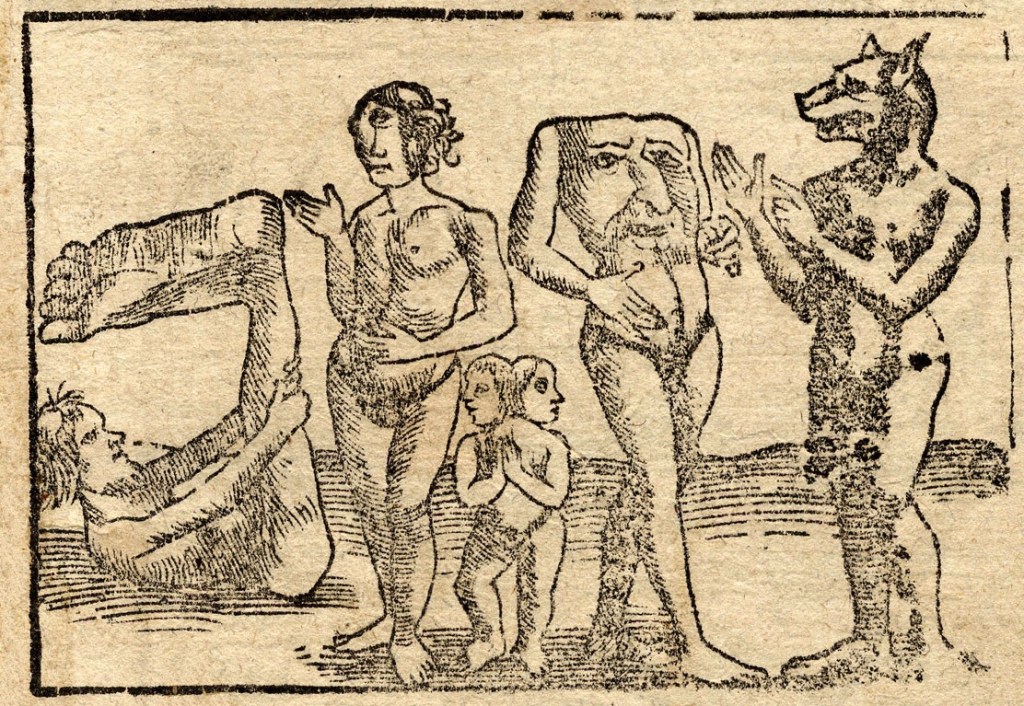
The word is confusion. Dizziness and giddiness, as well as dizzy spells. These disorders provide the primary insight into this gloomy state of loneliness among the throng, where each indicates a distinctive quality:
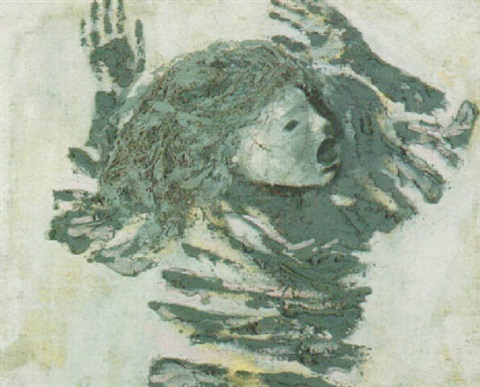
- Dizziness: IT grasps the concept, experiences its existence in the present, and realizes it has entered the world of spirits. The head begins to whirl around and sinks deep into space, into its consciousness. Pain and anguish force IT to become aware of itself.
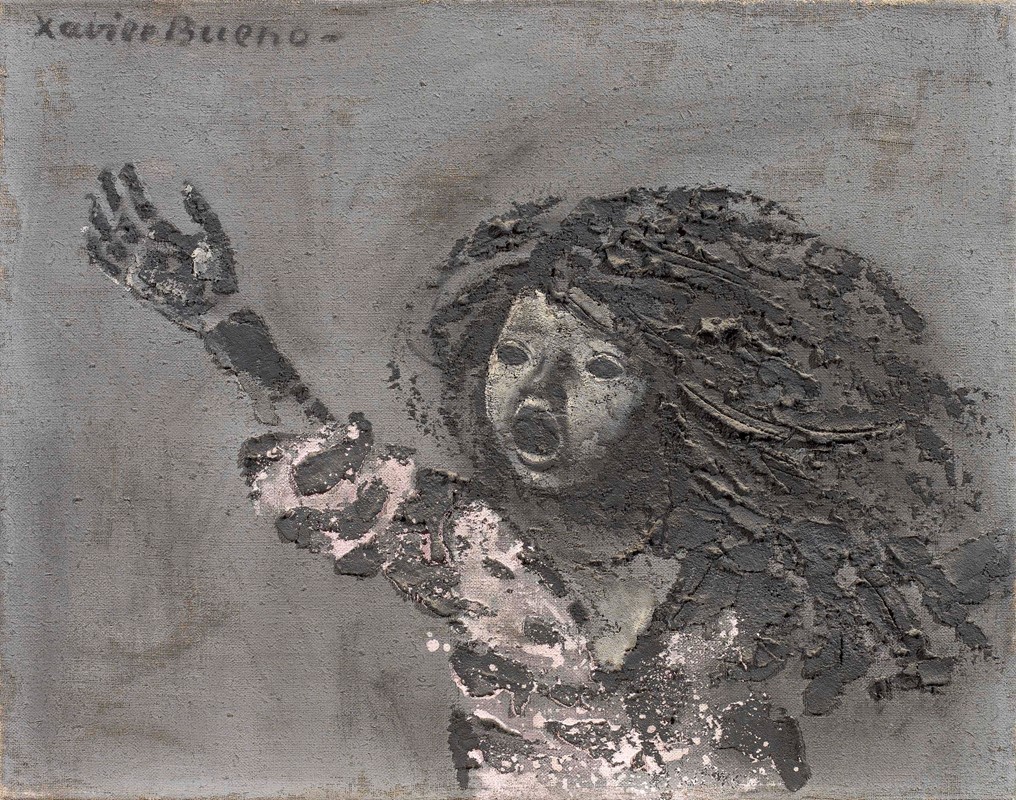
Giddiness: ITS heart suddenly begins to beat quicker, implying that everything is fine, despite the fact that something behind the consciousness is working hard to destabilize the reality inside and around IT. There are no alternatives: IT is alone, and by enduring IT experiments its place in the world (society). The metaphysical presence of IT among the many is utterly devastating: the spiritual essence of the few is lost in the midst of nothingness.
3. Nausea?
The unfolding of pain awakens the presence of the present.